
Craftsman Snow Blower Manuals: A Comprehensive Guide
Craftsman snow blower manuals are essential for operation, maintenance, and repair, offering detailed insights into specific models like the C950-52677-9;
Understanding model and serial numbers, especially those starting with 536, helps determine age and locate the correct documentation for parts like the 247886910.
Understanding Craftsman Snow Blower Model Numbers
Craftsman snow blower model numbers are crucial for identifying your machine and sourcing the correct manuals and parts. These numbers, often found on a sticker or plate on the snow blower’s frame, provide key information about the unit’s specifications and manufacturing details.
Numbers beginning with 536 frequently embed production date information within the serial number. Decoding these numbers can help pinpoint the year your snow blower was manufactured. However, it’s important to consider the styling, controls, and labeling of the blower itself to confirm the year, as the serial number alone can sometimes be ambiguous – potentially indicating 1985, 1995, or 2005.
Specific model numbers, like C950-52677-9, are vital when searching for parts or dedicated manuals. Knowing your exact model ensures compatibility and accurate repair procedures. Always reference the model number when contacting customer support or ordering replacement components.
Decoding Serial Numbers for Age Determination
Craftsman snow blower serial numbers are key to estimating the manufacturing date, particularly for models with numbers starting with 536. Often, the first four digits of the serial number contain a coded date. However, interpreting this code requires careful consideration, as the same number sequence can correspond to multiple years.
For instance, a four-digit serial number prefix could potentially indicate production in 1985, 1995, or 2005. Therefore, relying solely on the serial number isn’t always definitive. Cross-referencing the serial number with the snow blower’s physical characteristics – its styling, control layout, and labeling – is essential for accurate age determination.
Online forums, like r/smallengines on Reddit, can be valuable resources for deciphering serial number codes and gaining insights from other Craftsman snow blower owners. Remember to always verify information from multiple sources.
The 536 Model Number Series and Date Coding
Craftsman snow blowers featuring model numbers beginning with 536 frequently employ a specific serial number system that embeds production date information. This coding is often found within the initial four digits of the serial number, offering a clue to the unit’s age. However, it’s crucial to understand that this isn’t a universally straightforward system.
The same four-digit sequence can represent different years – for example, potentially indicating 1985, 1995, or 2005. Therefore, relying solely on these digits can be misleading. Contextual clues, such as the snow blower’s design features and control mechanisms, are vital for accurate dating.
Successfully decoding these serial numbers often involves consulting online communities and resources, where experienced users share their knowledge and insights regarding Craftsman’s date coding practices.
Identifying Engine Manufacturers (Tecumseh Focus)
Craftsman snow blowers historically utilized engines from various manufacturers, but Tecumseh was a particularly prominent supplier. Identifying the engine brand is crucial when sourcing parts or troubleshooting issues, as each manufacturer has unique specifications and components.
Often, the engine manufacturer and model number are stamped directly onto the engine itself, typically on the engine block or a designated identification plate. For older Craftsman models, this information may be less visible due to weathering or paint.
Online forums, like r/smallengines on Reddit, are valuable resources for assistance in identifying engines, especially when the markings are unclear. Providing the Craftsman model number (e.g., C950-52677-9) alongside photos can expedite the identification process.
Locating Engine Information on Older Models
Finding engine details on vintage Craftsman snow blowers can be challenging. Original identification plates may be missing, corroded, or obscured by years of use and accumulated grime. Thorough inspection is key; check the engine block, valve cover, and any nearby metal surfaces for stamped or cast markings.
Sometimes, the engine model number is subtly etched into the blower housing itself, near the engine mounting points; Consulting online resources, like parts diagrams from eReplacementParts.com, can help correlate Craftsman model numbers (like 247886910) with potential engine specifications.
Remember that Tecumseh was a frequent supplier. If you suspect a Tecumseh engine, searching for Tecumseh engine identification guides online can provide valuable clues based on engine features and physical characteristics.

Types of Craftsman Snow Blower Manuals Available
Craftsman offers owner’s manuals for operation, parts lists for components, and service manuals for detailed repairs, including crucial wiring diagrams for troubleshooting.
Owner’s Manuals: Operation and Safety
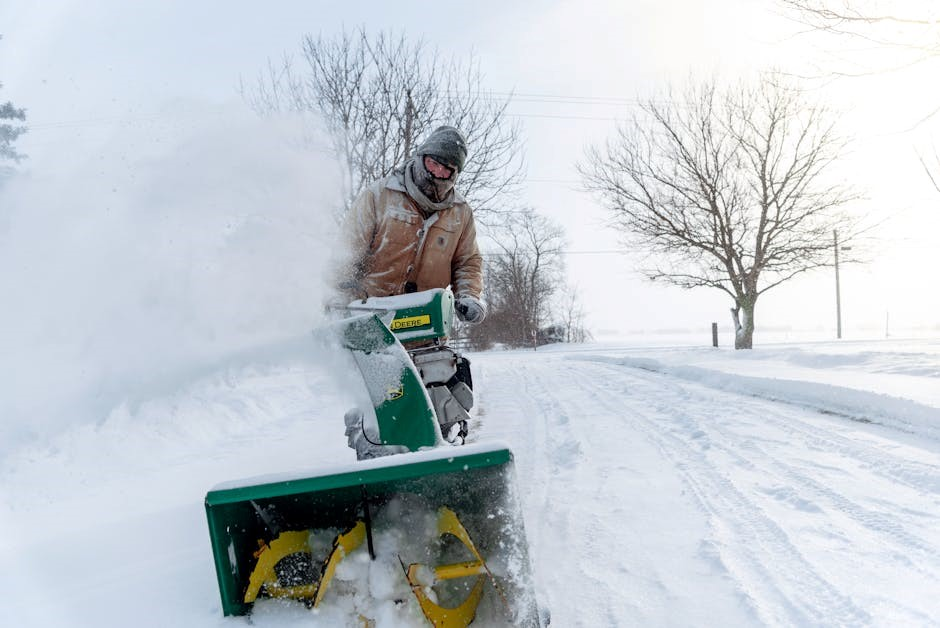
Craftsman owner’s manuals are the primary resource for safely and effectively operating your snow blower. These guides detail pre-start checks, including fuel levels and auger engagement, alongside step-by-step instructions for starting and shutting down the machine.
Crucially, they emphasize safety precautions, covering topics like avoiding carbon monoxide poisoning, proper clothing, and keeping hands and feet clear of moving parts. Understanding the controls – chute rotation, speed settings, and drive engagement – is thoroughly explained.
Owner’s manuals also provide guidance on handling different snow conditions and avoiding damage to the machine or surrounding property. They often include basic troubleshooting tips for common issues, helping owners address minor problems before requiring professional service. Regular review of the owner’s manual ensures optimal performance and longevity of your Craftsman snow blower.
Parts Lists: Identifying Replacement Components
Craftsman snow blower parts lists are invaluable when repairs are needed, providing detailed diagrams and part numbers for every component. These lists, often available through resources like eReplacementParts.com, allow owners to accurately identify the specific parts required for their model – such as the 247886910.
Detailed exploded views illustrate how parts fit together, simplifying the repair process. Part numbers are crucial for ordering replacements, ensuring compatibility and avoiding incorrect purchases. Common replacement items include shear bolts, skid shoes, auger paddles, and drive belts.
Access to a parts list is especially helpful for older models where obtaining assistance from a local dealer may be challenging. Utilizing the model number and diagrams, owners can confidently source the necessary components to restore their Craftsman snow blower to full functionality.
Service Manuals: Detailed Repair Procedures
Craftsman snow blower service manuals offer comprehensive, step-by-step instructions for tackling complex repairs, going far beyond the scope of owner’s manuals. These manuals provide detailed procedures for diagnosing and resolving issues with the engine, auger, impeller, drive system, and electrical components.
They include torque specifications, detailed diagrams, and troubleshooting guides to assist even novice mechanics; Service manuals are essential for tasks like carburetor rebuilding, engine overhaul, and gearbox repair. Accessing these resources empowers owners to perform more extensive maintenance and avoid costly professional repairs.
While finding service manuals for older Craftsman models like the C950-52677-9 can be challenging, dedicated online communities and third-party websites often archive these valuable resources.
Wiring Diagrams: Electrical System Troubleshooting
Craftsman snow blower wiring diagrams are indispensable for diagnosing and repairing electrical issues, ranging from faulty switches and solenoids to problems with the ignition system. These diagrams visually represent the entire electrical circuit, clearly illustrating the connections between components.
Understanding these diagrams allows users to trace wires, identify short circuits, and pinpoint the source of electrical malfunctions. Service manuals typically include detailed wiring diagrams specific to each model, such as the 247886910 (2009 model).
Troubleshooting electrical problems without a diagram can be incredibly difficult and potentially dangerous. Accessing these diagrams, often found within service manuals or online resources, is crucial for safe and effective repairs.
Where to Find Craftsman Snow Blower Manuals
Craftsman’s official website, eReplacementParts.com, and various third-party sites offer manuals; Reddit’s r/smallengines can also provide assistance locating resources.
Craftsman’s Official Website (Manuals Section)
Craftsman’s official website remains a primary resource for locating original snow blower manuals, offering a dedicated manuals section for various outdoor power equipment. Navigating the site typically involves searching by model number, ensuring users find documentation specifically tailored to their machine. While the website’s interface has evolved over time, the commitment to providing access to manuals persists.
Users should be prepared to potentially navigate through archived sections or utilize the site’s search functionality effectively. The availability of manuals can vary depending on the age of the snow blower; older models may have limited digital documentation. However, the official website is the best starting point for obtaining accurate and reliable information directly from the manufacturer. It’s crucial to verify the model number before downloading to guarantee compatibility and avoid incorrect instructions.
eReplacementParts.com for Parts Lists and Diagrams
eReplacementParts.com serves as a valuable supplementary resource for Craftsman snow blower owners, particularly when seeking detailed parts lists and exploded diagrams. While not always hosting complete owner’s manuals, the site excels in providing visual breakdowns of snow blower components, aiding in identification and repair. Users can search by specific model numbers, such as the 247886910 (2009), to access relevant schematics.
These diagrams are incredibly helpful for understanding how parts fit together and for ordering replacements, including items like flanged lock nuts and shear bolts. The site often includes manufacturer part numbers, streamlining the ordering process. Though it doesn’t replace a full manual, eReplacementParts.com effectively complements it, offering a practical approach to troubleshooting and maintenance by visually representing the snow blower’s internal structure;
Third-Party Manual Download Websites
Numerous third-party websites offer Craftsman snow blower manuals for download, presenting a convenient alternative when official sources are limited. However, users should exercise caution, verifying the accuracy and completeness of the documents before relying on them for repairs or maintenance. These sites often compile manuals from various sources, and quality can vary significantly.
While potentially helpful for locating obsolete manuals for older models, it’s crucial to cross-reference information with other resources, like eReplacementParts.com diagrams, to ensure correctness. Be wary of sites requiring excessive personal information or displaying intrusive advertisements. Always prioritize official Craftsman documentation when available, using third-party sites as a last resort for supplementing information, especially when dealing with complex systems or safety-critical components.
Reddit and Online Forums (r/smallengines)
Online communities, particularly the r/smallengines subreddit on Reddit, represent valuable resources for Craftsman snow blower owners seeking manuals or assistance with identification. Users frequently post questions about specific models, like the C950-52677-9, and share their experiences locating documentation. This collaborative environment often yields helpful insights and links to obscure manuals not readily available elsewhere.
Forums provide a platform to ask targeted questions about engine identification – often Tecumseh engines – and troubleshooting specific issues. Experienced members can offer guidance on interpreting manuals and navigating repair procedures. However, always verify information received from online forums with official sources or reputable parts suppliers like eReplacementParts.com, as advice can vary in accuracy.

Common Craftsman Snow Blower Issues & Manual Solutions
Craftsman snow blower manuals offer solutions for frequent problems like starting issues, shear bolt breakage, auger jams, and drive system malfunctions.
Detailed diagrams aid in carburetor repair and belt replacement, ensuring optimal performance.
Starting Problems: Carburetor and Fuel System
Craftsman snow blower manuals frequently address starting difficulties, often stemming from the carburetor or fuel system. A common issue is a clogged carburetor, especially after prolonged storage; manuals detail cleaning procedures, often involving disassembly and solvent application.
Fuel-related problems include stale fuel and blocked fuel lines. Manuals recommend using fresh fuel and inspecting/replacing fuel lines and filters. Diagrams illustrate the fuel system components, aiding in troubleshooting. Some manuals guide users through carburetor adjustments for optimal fuel mixture.
For engines like those from Tecumseh, manuals provide specific instructions for primer bulb operation and choke control. They also caution against using outdated fuel stabilizers. Detailed illustrations show the carburetor’s internal parts, assisting with repairs. Always consult the manual for your specific model before attempting any fuel system work.
Shear Bolt Breakage: Causes and Prevention
Craftsman snow blower manuals consistently highlight shear bolt breakage as a frequent issue. These bolts are designed to protect the auger and impeller from damage when encountering solid obstructions. Manuals explain that hitting rocks, ice chunks, or frozen debris causes the shear bolts to break, preventing costly damage to the snow blower’s internal mechanisms.
Preventative measures outlined in the manuals include avoiding areas known to contain obstructions and raising the auger housing when traversing gravel driveways. Manuals detail the correct replacement procedure, specifying the correct bolt size and torque.
They also caution against replacing shear bolts with standard bolts, as this eliminates the safety feature and risks severe damage. Diagrams illustrate the location of the shear bolts and the proper tools for replacement. Regularly inspecting the area before operation is also recommended.
Auger and Impeller Issues: Clearing Jams
Craftsman snow blower manuals dedicate significant attention to addressing auger and impeller jams, a common occurrence during operation. Manuals emphasize the utmost importance of disconnecting the spark plug wire before attempting to clear any blockage, preventing accidental starts. Detailed illustrations demonstrate the safe procedure for removing accumulated snow and debris.
The manuals advise against using hands or tools to directly dislodge the jam, recommending instead a dedicated clearing tool or a sturdy wooden object. They warn against forcing the auger, which could cause further damage.
Manuals also explain how to inspect the shear bolts after a jam, as they often break during such events. Proper reassembly instructions and torque specifications are provided to ensure safe and effective operation following a jam clearance.
Drive System Problems: Belt and Gearbox
Craftsman snow blower manuals thoroughly cover troubleshooting drive system issues, focusing on belts and the gearbox. Manuals detail how to inspect the drive belt for wear, cracks, or breakage, providing diagrams illustrating proper routing and tensioning. Replacement procedures are clearly outlined, including specific belt types for various models.
Gearbox problems are also addressed, with manuals explaining how to check oil levels and identify potential leaks. They guide users through diagnosing issues like reduced traction or unusual noises emanating from the gearbox.
Detailed exploded views showcase gearbox components, aiding in parts identification and repair. Manuals emphasize the importance of using the correct lubricant and following torque specifications during reassembly to maintain optimal performance.
Specific Craftsman Snow Blower Model Examples (Manual Focus)
Craftsman manuals offer model-specific guidance; for example, the C950-52677-9 aids engine identification, while the 247886910 (2009) shows parts availability.
Craftsman C950-52677-9: Engine Identification
Craftsman snowblower model C950-52677-9 frequently utilizes Tecumseh engines, a common pairing for Sears-branded outdoor power equipment. Identifying the specific Tecumseh engine model is crucial for sourcing the correct parts and accessing relevant service manuals. Often, the engine’s model number and serial number are stamped directly onto the engine block, typically near the flywheel or carburetor.
Consulting the owner’s manual for the C950-52677-9 will provide a list of compatible engine specifications. If the original manual is unavailable, online resources like eReplacementParts.com can assist in identifying the engine based on visual comparisons and parts diagrams. Reddit’s r/smallengines forum is also a valuable community resource where users can post photos of their engines for identification assistance. Accurate engine identification ensures compatibility when ordering replacement components, such as carburetors, filters, or spark plugs, streamlining the repair process.
Craftsman 247886910 (2009 Model): Parts Availability
The Craftsman snowblower model 247886910, manufactured in 2009, generally enjoys good parts availability, though some components may become increasingly difficult to source over time. eReplacementParts.com is a primary resource for locating replacement parts, offering detailed diagrams and a comprehensive inventory for this model. Common replacement needs include shear bolts (part number 712-04065), flanged lock nuts, and various engine components.
When searching for parts, having the full model number readily available is essential for accurate identification. While many standard parts remain in stock, older or more specialized components might require searching through third-party suppliers or online marketplaces. Checking online forums, like Reddit’s r/smallengines, can reveal alternative sourcing options or advice from other owners of the 247886910 model. Maintaining a parts list from the owner’s manual aids in efficient repairs.
Older Craftsman Models: Finding Obsolete Manuals
Locating manuals for older Craftsman snow blowers can be challenging, as official support may be limited for models no longer in production. Craftsman’s official website may not host manuals for very old units. However, resourceful options exist. Online forums, such as r/smallengines on Reddit, often have members who have archived manuals or can provide guidance on identifying parts and repair procedures.
Third-party manual download websites can sometimes yield results, though verifying the accuracy of the information is crucial. Determining the engine manufacturer – frequently Tecumseh – and searching for that engine’s manual can provide valuable insights. Utilizing the snow blower’s model and serial number to pinpoint the production year aids in narrowing the search. Patience and persistence are key when seeking documentation for these legacy machines.
Two-Stage vs. Single-Stage Snow Blowers: Manual Differences
Craftsman snow blower manuals differ significantly between two-stage and single-stage models, reflecting their distinct mechanical complexities. Single-stage manuals typically focus on simpler operation and maintenance, emphasizing auger and drive system upkeep. Two-stage manuals are considerably more detailed, covering the operation of both the auger and impeller, alongside more complex drive systems and shear bolt procedures.
Wiring diagrams are often more extensive in two-stage manuals due to the electric start and headlight features common on these models. Troubleshooting sections in two-stage manuals address issues like shear bolt breakage and auger jams with greater depth. Understanding these differences is crucial when seeking repair information; ensure the manual corresponds to your snow blower’s specific stage configuration for accurate guidance.

Using Manuals for Maintenance and Repair
Craftsman manuals provide schedules for oil changes, belt replacements, and electrical troubleshooting using wiring diagrams, ensuring optimal snow blower performance and longevity.
Regular Maintenance Schedules (Based on Manuals)
Craftsman snow blower manuals emphasize consistent maintenance for reliable operation. Following the recommended schedules, detailed within each manual, is crucial. Typically, before each use, inspect the shear bolts, auger, and impeller for damage or obstructions.
After every five to ten hours of operation, check and top off engine oil levels, using the manufacturer’s specified oil type – often detailed in the engine section of the manual. A thorough inspection of belts for wear and tear is also recommended.
Annually, or after 25-50 hours of use, a complete tune-up is advised. This includes changing the engine oil, replacing the spark plug, and inspecting the fuel lines and carburetor for any issues. Manuals provide specific instructions for each engine manufacturer, like Tecumseh, ensuring proper procedures are followed. Adhering to these schedules extends the life of your snow blower and prevents costly repairs.
Oil Change Procedures (Engine Specific)
Craftsman snow blower manuals provide detailed oil change procedures, varying by engine manufacturer. For Tecumseh engines, commonly found in older models, the process generally involves warming the engine briefly, then shutting it off. Locate the oil drain plug, usually at the bottom of the engine, and position a drain pan underneath.
Remove the plug, allowing the old oil to drain completely. Once drained, replace the plug and tighten securely. Next, remove the oil fill cap and add the recommended oil type and quantity, as specified in your manual – typically a 30W oil for colder temperatures.
Check the oil level with the dipstick, ensuring it falls within the “full” range. Properly dispose of the used oil at a designated recycling center. Always consult your specific manual for precise instructions and safety precautions related to your engine model.
Belt Replacement Instructions
Craftsman snow blower manuals detail belt replacement, crucial for drive system functionality. Begin by disconnecting the spark plug wire for safety. Access the belt by removing protective covers, often requiring basic hand tools. Note the belt’s routing before removal – diagrams in the manual are invaluable here.
Release tension on the belt tensioner, allowing you to slip the old belt off the pulleys. Clean the pulleys thoroughly before installing the new belt, ensuring a proper grip. Carefully route the new belt according to the manual’s diagram, engaging it onto each pulley.
Re-engage the tensioner, verifying the belt is seated correctly. Reinstall the covers and reconnect the spark plug wire. Always refer to your specific model’s manual for detailed steps and torque specifications.
Troubleshooting Electrical Issues with Wiring Diagrams
Craftsman snow blower manuals provide wiring diagrams essential for diagnosing electrical problems. Begin by visually inspecting wiring for damage – frayed wires or loose connections are common culprits. Use a multimeter to test for continuity in circuits, referencing the diagram to identify expected readings.
If the snow blower won’t start, check the safety interlock switches; the manual details their location and function. A faulty switch can prevent the engine from engaging. Examine the ignition coil and solenoid, testing their operation according to the manual’s instructions.
Wiring diagrams pinpoint specific components and their connections, simplifying troubleshooting. Always disconnect the spark plug before working on the electrical system for safety.